| Aspect | Details |
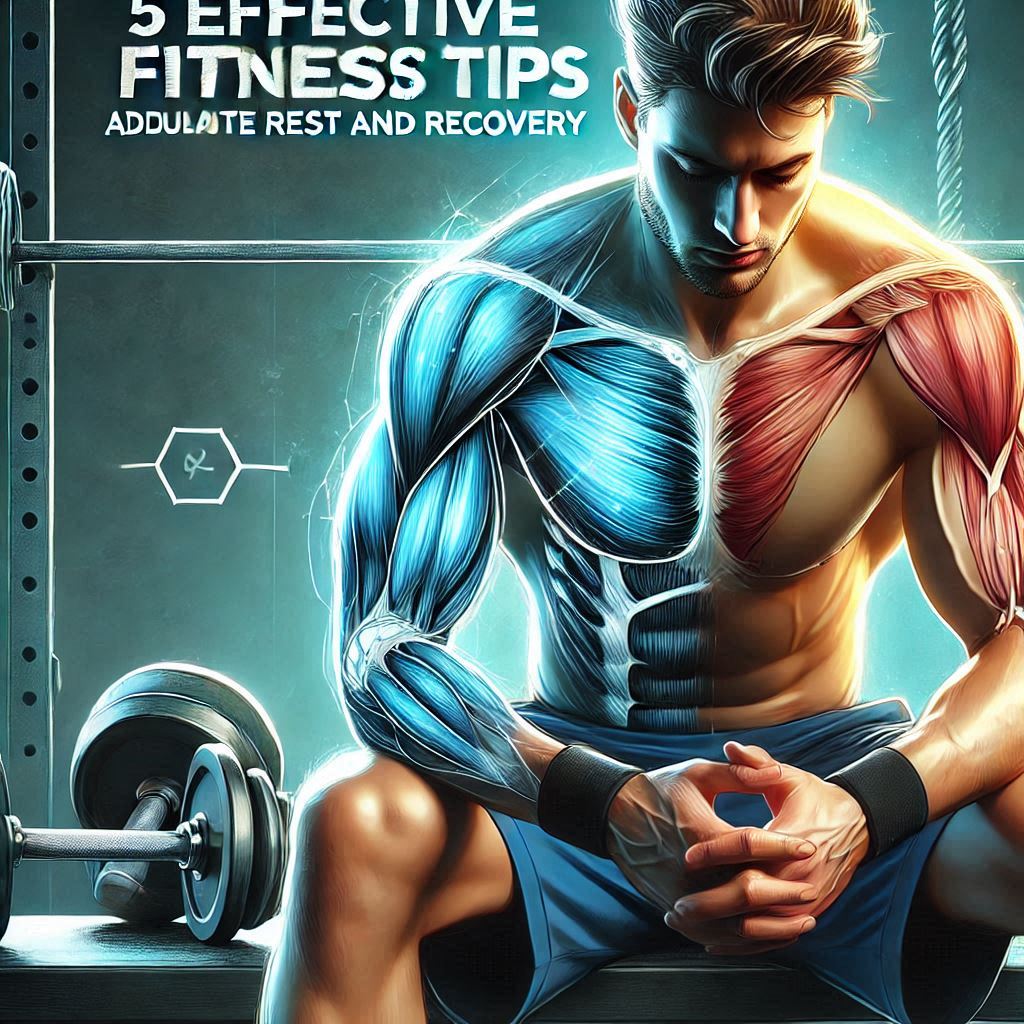
| Muscle-Building Tip | Adequate Rest and Recovery |
| Definition | Allowing muscles time to repair and grow stronger after workouts by prioritizing sleep and rest days. |
| Importance | Recovery helps repair muscle fibers, prevent injury, and improve overall performance. |
| Sleep Duration | Aim for 7-9 hours of quality sleep per night to optimize recovery and hormonal balance. |
| Rest Between Workouts | Allow 48-72 hours of rest for targeted muscle groups before training them again. |
| Active Recovery | Engage in light activities like yoga, walking, or stretching on rest days to enhance blood flow. |
| Signs You Need More Rest | Persistent soreness, fatigue, or decreased performance are signs of insufficient recovery. |
| Nutrition for Recovery | Include protein, complex carbs, and healthy fats in post-workout meals to fuel muscle repair. |
| Hydration Role | Drink plenty of water to replace fluids lost during exercise and support recovery. |
| Avoid Overtraining | Balance intensity and volume to avoid burnout and reduce the risk of injury. |
| Mental Recovery | Practice mindfulness or meditation to reduce stress and improve mental focus. |
| Stretching | Incorporate dynamic stretching before workouts and static stretching afterward to improve flexibility and recovery. |
| Massage and Foam Rolling | Use foam rollers or get massages to relieve muscle tension and improve circulation. |
| Consistent Rest Days | Schedule at least 1-2 full rest days per week to allow the body to recover fully. |
| Pro Tip | Listen to your body—if you feel fatigued or sore, take extra rest to avoid setbacks. |
| Long-Term Goal | Prioritize recovery as much as training to achieve sustainable progress and long-term success. |

| Question | Answer |
| How do you prioritize protein? | Include a protein source in every meal, like eggs, chicken, beans, or Greek yogurt. |
| What are the 5 factors that impact how much protein someone needs? | Age, activity level, fitness goals, body weight, and overall health condition. |
| What is the recommended protein intake for fitness? | 1.2-2.0 grams of protein per kilogram of body weight daily, depending on activity level. |
| What are the 10 tips listed to help you vary your protein routine? | Include lean meats, fish, eggs, dairy, beans, lentils, tofu, nuts, seeds, and protein shakes. |

How many rest days to build muscle
How to recover muscles faster after workout
How to recover sore muscles faster
How many rest days per week
Signs your body needs rest from exercise
Muscle recovery time by age
Why are rest days important for weight loss Signs you need a rest day to lose weight